No products in the cart.
In recent years, educators, parents, and researchers have started paying closer attention to how physical activity influences the brain. Learning is no longer viewed as something that happens only while sitting quietly in a classroom or reading from a book. Instead, the concept of active learning—combining physical movement with mental engagement—has gained strong support.
Physical activities such as sports, outdoor games, and structured exercise routines do much more than keep the body healthy. They also play a powerful role in improving concentration, memory, creativity, and overall mental performance. When movement becomes part of the learning process, the brain becomes more alert and responsive, allowing people to absorb and process information more effectively.
The Connection Between Movement and Brain Function
The human brain thrives on activity. When the body moves, the brain receives increased blood flow, delivering oxygen and essential nutrients. This process stimulates neural activity and helps the brain function at a higher level.
Research shows that regular physical activity supports the development of new neural connections. These connections strengthen communication between different areas of the brain, especially those responsible for problem-solving, decision-making, and memory retention.
For children and teenagers, this connection is particularly important. Their brains are still developing, and physical activity helps shape the neural pathways that support learning and emotional regulation. Even adults benefit significantly, as movement can sharpen thinking skills and maintain mental clarity over time.
Improving Focus and Concentration
One of the most noticeable benefits of physical activity is improved focus. After engaging in physical movement, people often feel more alert and energized. This happens because exercise triggers the release of chemicals in the brain that enhance mood and attention.
For students, this can translate into better classroom performance. Short physical breaks between study sessions can help reset the brain, preventing mental fatigue. Activities such as running, stretching, or playing a quick game can refresh the mind and improve concentration when returning to academic tasks.
Schools that incorporate physical activity into their daily schedules often notice improvements in students’ attentiveness and classroom behavior. Instead of viewing movement as a distraction from learning, many educators now see it as a tool that enhances cognitive performance.
Physical Activity Strengthens Memory
Memory is another cognitive skill closely linked to physical activity. Movement stimulates areas of the brain involved in memory formation, particularly the hippocampus. This region plays a key role in learning and retaining new information.
Regular physical exercise has been shown to support both short-term and long-term memory. For example, students who participate in sports or structured physical activities often demonstrate stronger recall abilities when studying academic material.
Activities that involve coordination and strategy—such as racquet sports, team games, or skill-based drills—are especially beneficial. These activities require the brain to process information quickly while the body responds, strengthening mental agility.
Boosting Creativity and Problem-Solving Skills
Another important benefit of physical activity is its impact on creativity. Movement encourages the brain to think more freely and explore new ideas. This is one reason why many people find that their best ideas come while walking, exercising, or participating in sports.
Physical activities often involve quick decision-making and adapting to changing situations. In sports, players must constantly analyze their surroundings, anticipate opponents’ moves, and adjust their strategies. This mental engagement strengthens problem-solving abilities that can be applied in academic and professional settings.
Learning environments that incorporate physical activity allow individuals to approach challenges from multiple perspectives. Instead of feeling mentally stuck, movement can help stimulate fresh thinking and innovative solutions.
Reducing Stress and Supporting Emotional Balance
Mental performance is closely connected to emotional well-being. Stress, anxiety, and fatigue can make it difficult to concentrate or absorb new information. Physical activity is one of the most effective ways to manage these challenges.
Exercise helps reduce stress hormones in the body while increasing the production of endorphins, often referred to as “feel-good” chemicals. These natural mood boosters promote relaxation and create a sense of positivity.
For students and professionals alike, this emotional balance plays a crucial role in maintaining productivity and mental clarity. When people feel calm and energized, they are more capable of focusing on tasks and engaging deeply with learning materials.
Active Learning Through Sports and Skill Development
Sports provide an excellent example of active learning in action. Activities that combine physical movement with strategy and coordination encourage both the body and mind to work together.
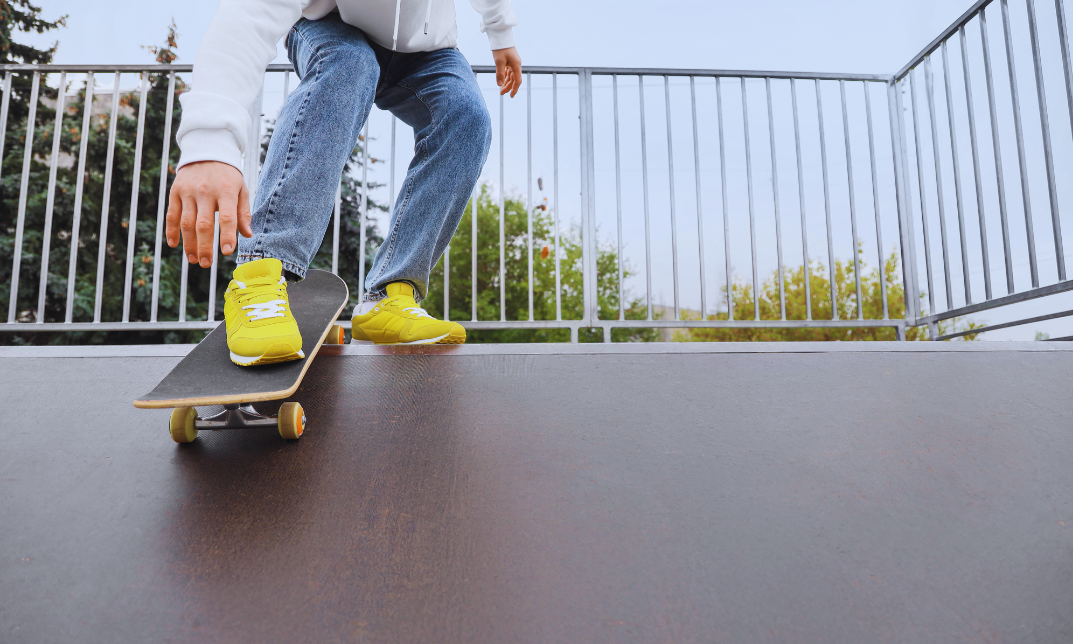
For instance, racquet sports require players to analyze speed, angles, and timing while maintaining physical control. Learning such skills involves continuous mental engagement and physical adaptation. Platforms like HelloLesson make it easier for individuals to explore structured sports instruction, including opportunities for those interested in improving their game through guided sessions such as tennis, skateboarding etc
These types of activities help learners develop discipline, patience, and strategic thinking while staying physically active. Over time, the combination of movement and skill-building strengthens cognitive abilities and builds confidence.
The Role of Active Breaks in Learning Environments
Many modern classrooms and workplaces are beginning to incorporate short movement breaks to support mental performance. These breaks may include stretching, quick exercises, or simple physical games.
The purpose of these breaks is not to interrupt learning but to enhance it. When people remain seated for long periods, their energy levels and concentration gradually decline. Even a few minutes of movement can refresh the brain and restore focus.
For students, these active breaks often lead to improved engagement during lessons. For professionals, they can increase productivity and reduce burnout during long work sessions.
Building Lifelong Habits for Mental Strength
Encouraging physical activity as part of daily routines helps individuals develop habits that support both physical and mental health throughout life. Active learning is not limited to childhood education—it remains valuable at every stage of life.
Adults who maintain an active lifestyle often report better cognitive function, sharper memory, and improved problem-solving skills. Physical activity also supports long-term brain health by reducing the risk of cognitive decline.
By viewing movement as an essential part of learning rather than a separate activity, people can create a balanced approach to personal development. Whether through sports, exercise, or recreational activities, regular movement strengthens both the body and the mind.
Active learning highlights an important truth: the brain performs best when the body is also engaged. Physical activities stimulate brain function, improve focus, strengthen memory, and support emotional well-being. These benefits make movement a powerful tool for enhancing mental performance.
By integrating physical activity into daily routines—whether through sports, exercise, or simple movement breaks—individuals can unlock new levels of concentration, creativity, and productivity. In today’s fast-paced world, combining mental challenges with physical activity offers a practical and effective way to support lifelong learning and cognitive growth.