No products in the cart.
Success in the workplace is not determined only by academic knowledge or technical expertise. Many of the most valuable professional abilities are actually learned outside the classroom. Activities that challenge the body and mind often teach lessons that translate directly into real-life situations. Among these activities, sports stand out as one of the most effective ways to develop skills that employers value.
Whether played competitively or casually, sports encourage discipline, teamwork, communication, and resilience. These qualities are highly relevant in professional environments where collaboration, persistence, and leadership are essential. Over time, individuals who participate in sports often develop a mindset that helps them perform better in their careers.
Discipline and Consistency
One of the most important lessons sports teach is discipline. Athletes quickly learn that improvement does not happen overnight. Progress requires regular practice, commitment, and the willingness to keep going even when results are slow.
This habit of consistent effort translates well into the workplace. Employers value individuals who can manage their responsibilities reliably and stay focused on long-term goals. Just like training for a sport, professional growth often requires patience and dedication.
For example, someone who has spent years practicing a sport understands that success comes from showing up every day and putting in the work. This same mindset helps professionals meet deadlines, manage projects, and maintain productivity over time.
Teamwork and Collaboration
Many sports require players to work together toward a shared objective. In team sports especially, success depends on cooperation, trust, and the ability to support others.
These experiences help individuals understand the importance of collaboration. In the workplace, employees frequently work in teams where everyone has a specific role. Learning how to communicate, coordinate, and respect different perspectives becomes extremely valuable.
Athletes often develop a natural understanding that no single person can achieve success alone. Instead, progress happens when everyone contributes their strengths and supports each other. This lesson makes it easier for individuals to adapt to group projects and organizational teamwork.
Communication Skills
Communication is another critical skill developed through sports. Players must constantly share information, give instructions, and respond quickly to changing situations.
Clear communication helps teams function smoothly. When athletes call for the ball, coordinate strategies, or provide encouragement, they learn how to express themselves effectively under pressure.
In professional environments, strong communication helps employees explain ideas, resolve conflicts, and collaborate more efficiently. People who have experience in sports often feel more comfortable speaking up, offering feedback, and engaging in productive discussions with colleagues.
Problem-Solving Under Pressure
Sports often involve unpredictable situations. A team may suddenly face a stronger opponent, a change in strategy, or an unexpected mistake during a game. Athletes must quickly analyze the situation and make decisions in real time.
This ability to think clearly under pressure is highly valuable in professional settings. Many workplaces require employees to solve problems quickly and adapt when plans change.
Individuals who have experience in sports tend to remain calm during challenges. They understand that setbacks are part of the process and that quick thinking can help overcome obstacles.
Leadership Development
Sports also create opportunities for leadership. Captains, senior players, or even experienced teammates often guide others during practice and competition.
Leadership in sports involves motivating teammates, setting examples, and maintaining team morale during difficult moments. These experiences build confidence and teach individuals how to influence others positively.
In the workplace, leadership is not limited to managers or supervisors. Employees who demonstrate initiative, support colleagues, and encourage teamwork often become valuable contributors to any organization.
Many professionals who played sports during their youth naturally develop these leadership qualities because they have already practiced them in competitive environments.
Time Management and Responsibility
Balancing sports with other commitments requires strong time management skills. Students who participate in athletics often juggle schoolwork, training sessions, competitions, and personal responsibilities.
This experience teaches them how to organize their schedules effectively. They learn to prioritize tasks, manage deadlines, and make productive use of their time.
In professional life, time management is essential for handling workloads efficiently. Employees who can plan their schedules and maintain productivity are highly valued by employers.
Sports participation builds this ability early, helping individuals develop habits that support long-term success.
Resilience and Handling Failure
Failure is a natural part of sports. Even the most talented athletes lose games, miss opportunities, or face setbacks during training. Learning how to deal with these challenges builds resilience.
Athletes understand that mistakes are not the end of the journey. Instead, they use failures as learning experiences to improve their performance.
This mindset is incredibly valuable in the workplace. Projects may not always succeed, strategies may need adjustment, and challenges will inevitably arise. Professionals who remain resilient and continue working toward solutions often achieve greater success.
Sports help individuals build emotional strength, allowing them to recover quickly and stay motivated despite difficulties.
Focus and Mental Strength
Sports require concentration and mental discipline. Players must stay focused on their performance while managing distractions, pressure, and competition.
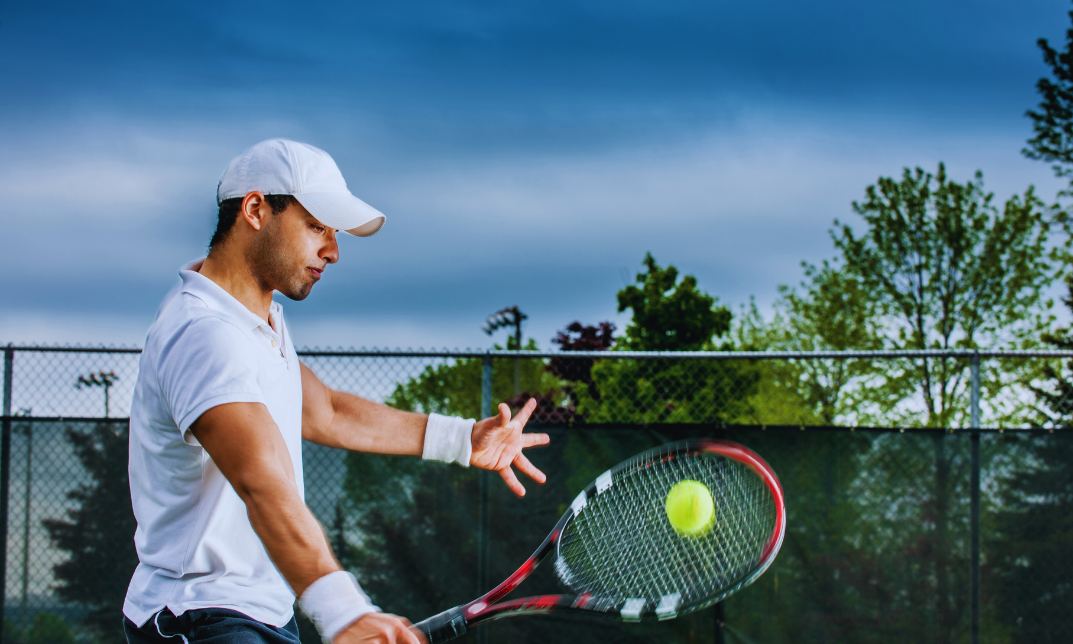
For example, an individual practicing tennis learns to maintain attention during long matches where strategy, patience, and quick reactions are essential. This level of mental focus can translate into professional environments where attention to detail and sustained concentration are required.
Employees who can stay focused on tasks despite challenges often produce higher-quality work and contribute more effectively to their organizations.
Building Confidence
Participating in sports also strengthens self-confidence. As athletes improve their abilities and overcome challenges, they begin to trust their skills and judgment.
Confidence is an important trait in professional life. Employees who believe in their capabilities are more likely to share ideas, take initiative, and pursue leadership opportunities.
Sports encourage individuals to step outside their comfort zones and try new strategies. Over time, this experience helps them feel more comfortable facing unfamiliar situations.
Adaptability and Learning
Another key lesson sports teach is adaptability. Games often change quickly, and athletes must adjust their strategies accordingly.
For instance, someone who regularly plays tennis learns to analyze an opponent’s style and modify their approach during a match. This ability to adapt and respond strategically is equally useful in professional environments.
Businesses and industries constantly evolve, and employees who can learn quickly and adapt to change are highly valuable. Sports help individuals develop this flexible mindset.
The Long-Term Impact of Sports Participation
The benefits of sports extend far beyond physical fitness. While staying active is important for health, the personal development gained through sports can shape an individual’s character and professional success.
Over time, athletes develop a strong work ethic, emotional resilience, and the ability to collaborate with others. These qualities are exactly what many employers seek when building effective teams.
Even individuals who participate in sports recreationally often gain valuable experiences that influence their approach to work and life.
Final Thoughts
Sports are more than games or physical activities. They are powerful learning experiences that help individuals develop skills essential for success in the workplace.
From teamwork and communication to resilience and leadership, the lessons learned on the field often translate directly into professional environments. Individuals who participate in sports frequently carry these qualities into their careers, making them adaptable, confident, and reliable contributors.
As workplaces continue to value collaboration, creativity, and problem-solving, the skills developed through sports remain highly relevant. Whether someone plays competitively or simply enjoys recreational activities, the experiences gained through sports can have a lasting and positive impact on their professional journey.