
No products in the cart.
Push-fit plumbing fittings make pipework quick and simple. However, many people struggle when they need to take them off. If you do not remove them the right way, you can damage the pipe or fitting. So, it is important to learn how to remove push fit plumbing fittings before you start.
With the right steps and a little care, you can remove the fittings safely and easily. In this guide, you will learn basic tips to make the job faster and avoid common mistakes.
Let’s take a closer look and learn the easiest way to remove push-fit plumbing fittings.
What are the Modern Push Fit Plumbing Fittings Exactly?
Modern push fit plumbing fittings connect pipes without glue, heat or solder. You just press the pipe into the fitting and it locks in place. Because of this, many people use them for quick plumbing jobs at home. They also help save time and reduce mess.
Before you learn about these fittings, it helps to know what plumbing do in a home. Plumbing moves clean water in and takes dirty water out. It also helps sinks, toilets, showers and washing machines work properly.
Today, push fit fittings come in many shapes and sizes. For example, you can find straight fittings, elbow fittings and tee fittings. Each one helps connect pipes differently.
Why is Knowing How to Remove Push Fit Plumbing Fittings Important?
Knowing it helps you avoid damage. If you pull too hard or use the wrong tool, you can crack the fitting or bend the pipe. Then, you may face leaks or costly repairs later. That is why it is always better to remove the fitting the right way from the start.
Also, you may need to remove a fitting when you fix a leak, replace a pipe or change part of your plumbing system. If you know what to do, the job becomes much easier. You also save time and money because you do not need to call a plumber for every small problem. Most importantly, you can work with more confidence and keep your plumbing in good condition.
How Do You Prepare Your Workspace for This Task?
Before you touch any pipes, you must stay very organised. Firstly, find your main water valve, often called a stopcock. Turn it clockwise until the water stops flowing completely. This prevents a massive mess in your kitchen or bathroom.
Then, open the lowest taps to drain the remaining water. This removes the pressure from inside the plumbing lines. You should also clear the area under the pipes.
- Locate the stopcock under the sink.
- Turn the valve to the right.
- Drain all taps in the house.
- Place a bucket under the joint.
- Keep a dry rag nearby for cleanup.
Which Tools Will Make Your Plumbing Job Much Easier?
Before you start, make sure you have the right tools. The right tools save time and help you avoid damage. First, keep a push-fit removal tool nearby.
Next, use a pipe cutter if you need to cut old or damaged pipe. A clean cut makes the new fitting work better. You should also keep an adjustable spanner for tight spaces.
In addition, a bucket or towel helps catch any water left in the pipe. A torch can also help if you work under a sink or in a dark area. With these simple tools, your plumbing job will feel much easier and less stressful.
How to Remove Push Fit Plumbing Fittings Using Your Hands?
Turn off the water supply before you touch the fitting. Then, dry the pipe area with a cloth so your hands do not slip. Next, hold the fitting with one hand and hold the pipe with the other hand. Push the small collar on the fitting inward.
At the same time, pull the pipe out gently. Do not pull too hard because you can damage the pipe. If the pipe feels stuck, twist it a little while you pull. This can help loosen the fitting. Also, keep your hands steady during the process. With a little care and patience, you can remove most push-fit plumbing fittings without using any tools.
What Metal is Used for Pipes in Plumbing in Houses?
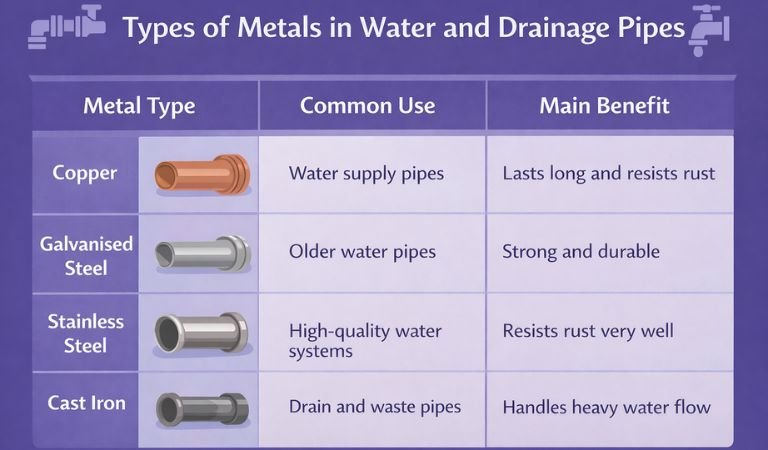
Homes use different types of metal pipes for plumbing. Each metal has its own use, strength and cost. For example, plumbers often use copper pipes because they last a long time and do not rust easily. In older homes, you may also find galvanised steel pipes.
However, these pipes can rust over time. Stainless steel pipes stay strong and resist rust. But they cost more. Some homes also use cast iron pipes for drains and waste lines because they handle heavy water flow well.
How Do You Handle a Stubborn or Stuck Fitting?
Sometimes a push-fit fitting does not come off easily. In that case, do not pull too hard straight away. First, check if the pipe still has water pressure inside. Then, turn off the water supply and release any pressure. After that, press the release collar down firmly and hold it in place. At the same time, twist the pipe gently while you pull it out. This small movement often helps loosen the fitting.
If the fitting still feels stuck, use a release tool. These tools make the job easier and protect the pipe from damage. Also, check for dirt, rust or damage around the fitting. Sometimes these things stop the pipe from moving. Most importantly, stay calm and work slowly to avoid breaking anything.
Why Should You Check the Pipe After Removal?
After you remove a push-fit fitting, you should always check the pipe. This step helps you avoid future problems. First, look for cracks or scratches on the pipe. Even a small gap can cause a leaking pipe later. Next, check if the pipe end is still round and smooth. If it looks damaged, fix or replace it before you reuse it.
Also, make sure there is no dirt or old grip ring left inside the fitting area. This can stop a proper seal. In addition, wipe the pipe clean so it is ready for the next fitting. So, a quick check now can save you from bigger repair work later.
How to Install a Sink Plumbing System with These Parts?
To install a sink plumbing system, you need to follow a few simple steps and use the right parts. First, make sure you understand each part before you start. Then, work step by step so you do not get confused. Here is an easy guide to help you install it safely and correctly.
- Place the sink in the correct position on the counter or stand.
- Attach the sink strainer to the drain hole tightly.
- Connect the tailpiece to the strainer under the sink.
- Fix the P-trap to stop bad smells from coming back.
- Join the trap arm to the wall drain pipe carefully.
- Turn on the water and check for any leaks.
How to Plumb a Washer Using Push Fit Joints?
Plumbing a washer with push-fit joints is simple when you follow the right steps. To begin, you turn off the water supply to stay safe. Following that, you measure and cut the pipe to the correct length. Then, you push the pipe firmly into the push-fit joint until it locks in place.
After that, you connect the hose from the washing machine to the water outlet. Make sure each joint is tight and secure. Then, slowly turn the water back on and check for leaks. If you see water dripping, push the joint again to fix it. Finally, test your washing machine to make sure everything works well. With push-fit fittings, the job becomes quick, clean and easy for anyone to do at home.
If you want to learn more simple plumbing jobs like this, read our guide on How Do I Plumb in a Dishwasher? A Simple UK Guide to make your home installation even easier.
How to Plumb a Shower Tray in a New Bathroom?
Plumbing a shower tray in a new bathroom is not as hard as it looks. To start, choose the right place for the tray and make sure the floor stays clean, dry and level. After that, connect the waste pipe under the tray so water can flow out without any trouble. Then, place the shower tray carefully and check that it sits flat on the floor.
At this point, you can seal the edges with waterproof sealant to stop any leaks. Also, check all pipe connections again so nothing is loose. Once everything looks good, test the water flow to see if it works properly. With calm steps and a little care, you can complete the job safely and neatly.
How Much Does Plumbing Make a Year in the UK?
The salary depends on experience, location and type of work. However, plumbers earn a good income in most cases. Beginners usually start with lower pay, but it grows fast with skills and time. In busy cities like London, earnings are often higher. Self-employed plumbers can also earn more because they set their own rates.
- Apprentice plumber: £12,000 to £18,000 per year.
- Newly qualified plumber: £20,000 to £30,000 per year.
- Experienced plumber: £30,000 to £45,000 per year.
- Self-employed plumber: £45,000+ per year.
How Much Does Plumbing Make for a Self-Employed Person?
Self-employed plumbers can earn a good income and many people choose this path for more freedom. On average, a self-employed plumber in the UK can earn around £30,000 to £70,000 per year. Some experienced plumbers even earn more when they get steady clients and handle big jobs.
However, income can change from month to month. It depends on the number of jobs, location and skill level. For example, emergency repairs often pay more than small fixes. Also, plumbers who build strong local trust get more repeat work. So, if you work hard and stay consistent, plumbing can become a strong and stable career.
Where Can You Find the Best Plumbing Advice Online?
If you want good plumbing help, the internet is a great place to start. You can find many trusted websites that show step-by-step guides with pictures and videos. For example, DIY blogs, home improvement sites and plumbing company pages often share simple tips for beginners.
YouTube is also very helpful because you can watch real people fix pipes and fittings in real time. So, you can learn faster and avoid mistakes. However, always check reliable sources before you follow any advice. Some tips online may not suit your situation. Also, try to read comments or reviews to see if others found the advice useful. In short, the best plumbing advice online is clear, simple and easy to follow.
Final Thoughts
In conclusion, learning how to remove push fit plumbing fittings helps you fix pipes safely and with less stress. First, follow the right steps. Then, work slowly and carefully. So, you avoid damage and save time. With practice, you can handle small plumbing jobs at home with more confidence and ease.
Build skills safely at home through our Professional Online Plumbing Course
Frequently Asked Questions (FAQs)
1. How do you remove push-fit plumbing fittings?
- You remove push-fit fittings by pushing the release collar and gently pulling the pipe out.
2. How to remove push fittings without a tool?
- You can press the release ring with your fingers and twist the pipe slightly to pull it out.
3. What is the removal tool for push-fit?
- A push-fit removal tool is a small clip that helps press the collar and release the pipe easily.
4. Is there a way to get copper pushfit off pipe?
- You press the fitting collar and pull the copper pipe out carefully without bending it.
5. How to release push lock fitting?
- You push back the locking ring while pulling the pipe straight out to release the fitting.
6. Why don’t plumbers use copper anymore?
- Plumbers still use copper, but they often choose plastic pipes because they are cheaper and easier to install.
Professional Online Plumbing Course
Course Description :
- Certificate: Yes(Free)
- Accreditation: CPD Accredited
- Access: Lifetime